What a hard crash on a familiar trail taught me about leadership.
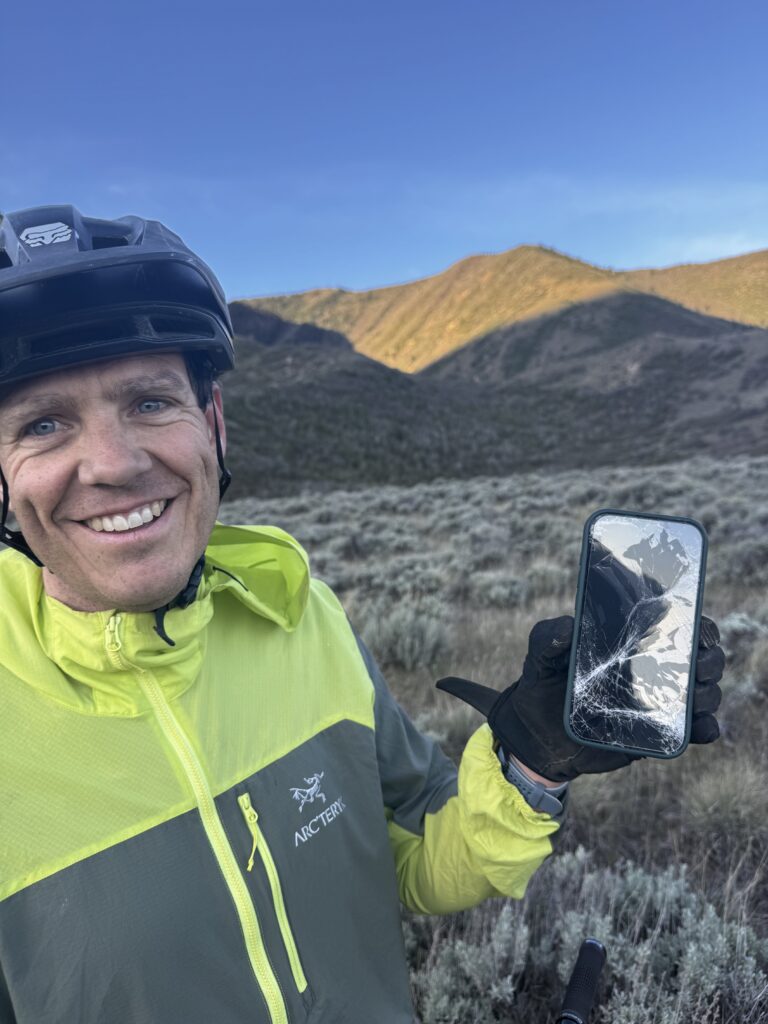
A few weeks ago, I crashed — hard.
I was riding a familiar trail for the first time this season, but the crew had added a few new features. Instead of taking things cautiously, I hit each one. They got progressively harder until I reached the last one: a rock set into the trail to create a perfect launch pad for some serious air. Instead of squeezing the brakes to slow down, I pedaled a little harder for extra speed. I was going to send it.
The trail took a right turn into a decent-sized berm, and instead of landing where I needed to, I overshot and came down on top of it. I tried to over-correct, and as I did, my front tire hit a rock and threw me over the handlebars. I lay on the trail for a few minutes, taking inventory, trying to feel whether anything was broken or badly scraped. At 44, our bodies don’t heal the way they did at 25. To my surprise, I had minor road rash on my right knee, ankle, and elbow, but other than that I was fine. Nothing was broken.
The Inspection
I got up slowly, inspected my bike (everything was fine), and just then my wife came around the corner in her slow and steady manner. She looked at me with concern and asked what had happened (I don’t crash very often — maybe I’m not sending it hard enough?). I told her the whole story. We chatted on the side of the trail for a minute, then kept riding.
Fifteen minutes later, I reached into my pocket for my phone to take a picture and, to my surprise, found it broken. The screen was shattered, and the titanium frame of my iPhone was mangled and twisted. I crashed hard, I thought, but I didn’t think I’d busted the phone. After all, it was in my pocket. It must have hit a rock.
A few hours later, I figured out what had actually happened when I looked at my thigh. I had a huge bruise running across my leg — except for one clean patch, exactly where the phone had been. When I went over the handlebars, my thigh slammed into the bars, and the phone took most of the impact. I’m glad it was there. The bruise could have been a lot worse.
Sending It Down the Trail
Often, as leaders, we feel like we know where we’re going. We have the answer, and we’re quick to share it, certain we’ll just keep getting down the trail. But how often do we actually stop to pay attention to the environment around us? Do we really listen — to our teams, our spouses, our kids? Or do we just send it off the features we think we know, assuming all will be well?
As a leader of organizations, I’ve watched this play out more times than I’d like. A well-intentioned leader knows the trail, and for the sake of efficiency, they don’t take the time to assess the new features. Maybe they don’t have the time. Or, they know the terrain. Perhaps they’re having too much fun to slow down for the mundane work of checking the trail. Whatever their intention, they keep going — full send, barreling toward the finish line.
The Outcome
The outcome is the same. They overshoot the landing, hit a rock, and eat it. And here’s the part that should give us pause: you may not even notice anything is wrong. You may get up, reassess, and keep going. But something will be wrong. Further down the trail, you’ll notice that one of your top performers seems disconnected. Or a team you rely on doesn’t quite deliver the way you’d hoped. Or the company misses the goals you set. Or you realize you’re slowly losing your relationship with your spouse, your kids, yourself.
Too often, the people closest to us experience a different version of us than the one we think we’re giving. We’re too focused on “sending it” to notice the people right beside us. That distance — between who we think we are and who others actually experience — is what I call the wilderness gap. And it’s where leaders are most often misaligned.
Closing the Gap
The fix isn’t complicated, but it asks something most of us resist: slow down. The trail I rode that day wasn’t new — I’d ridden it a dozen times. What got me wasn’t the trail; it was the new features I assumed I could take at speed. Leadership is the same. The terrain you know is rarely what takes you out. It’s the new thing you didn’t bother to read because you were sure you’d seen it before.
So before you send it, look. Tap the brakes for a second. Ask the team member who has gone quiet how they’re actually doing — and then wait for the real answer, not the one that lets you keep moving. Ask your spouse what it’s been like to live with the version of you that’s been showing up lately. Read the new feature before you launch.
None of this is comfortable, and I’m still learning to do it. I’d rather pedal harder than tap the brakes. But the phone in my pocket reminded me of something. Sometimes the thing that takes the hit for us is right there, absorbing impact we never see — until we finally stop and look at the bruise.
Here’s what I’m pondering and where I’ll leave it with you, too: Where on your trail are you sending it off a feature you haven’t actually looked at yet? And who is quietly taking the impact while you ride on?
Hi, I’m John!
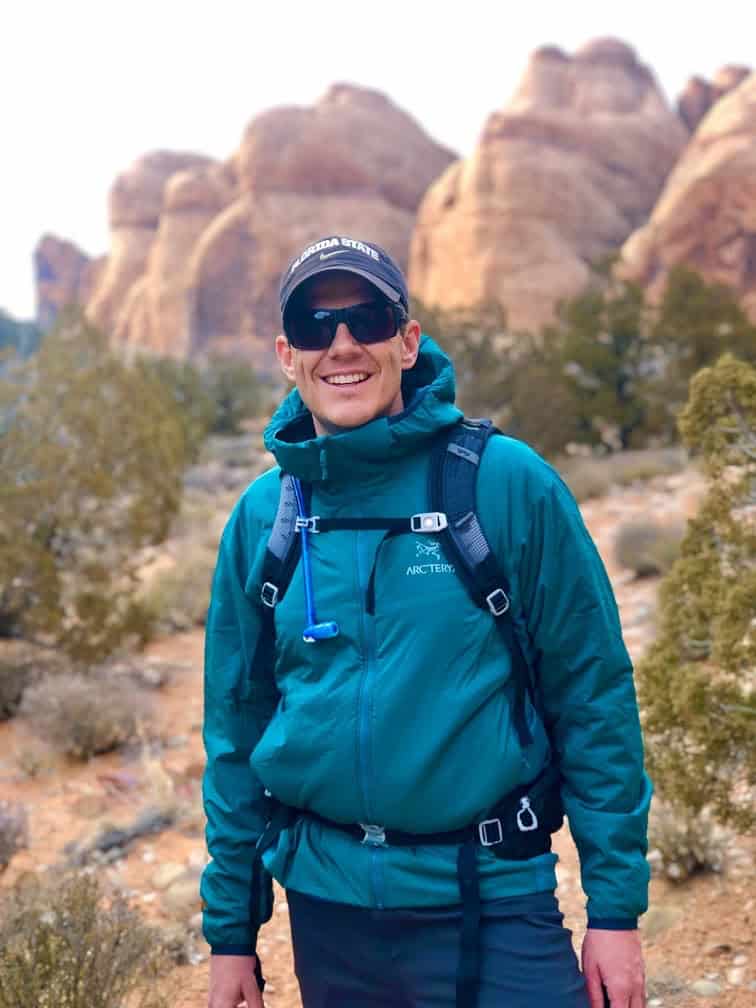
I’m a father, leader, outdoorsman, and the founder of PathForgeXP. I grew up in Moab, Utah, and I spend most of my time helping fathers reconnect with what matters through wilderness retreats and intentional living. I don’t have this figured out. I’m just a man on the trail, writing about what I’m learning along the way.
Leave a Reply