What three grandparents taught me about what actually lasts.
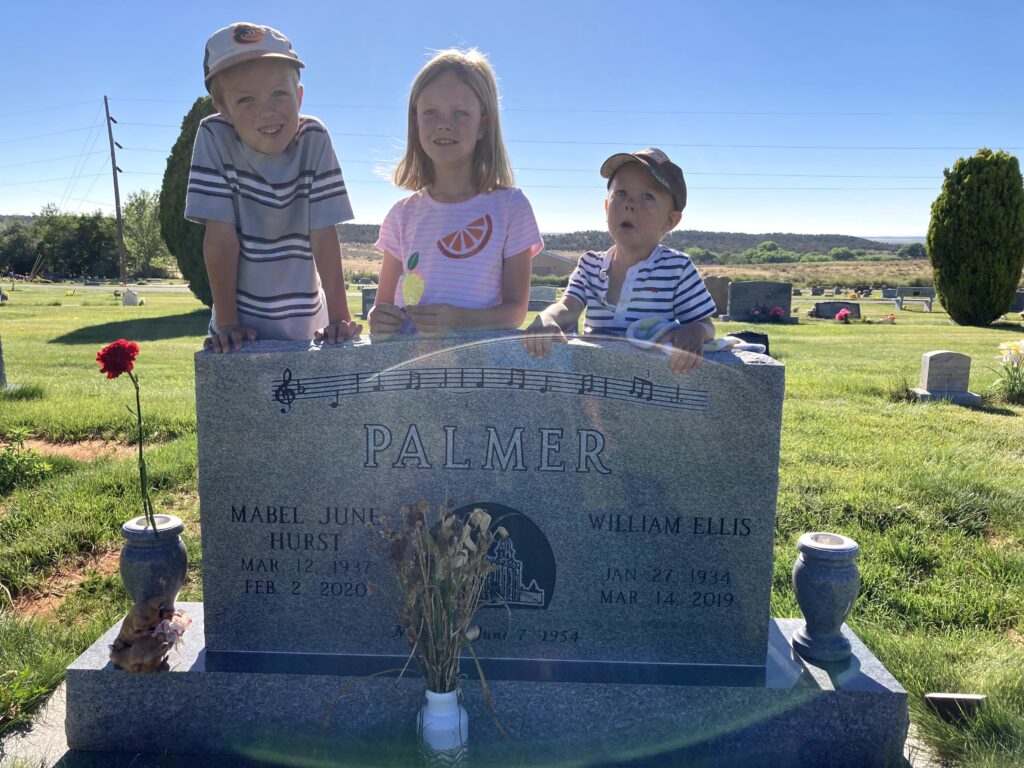
Happy Friday. Memorial Day weekend is here, and I want to spend a few minutes with some of the people in my life who have passed on to the other side.
Three of my four grandparents are gone now. My paternal grandfather is still alive, and I’ll see him Sunday afternoon when we celebrate my dad’s birthday. But before I tell you about each of them, here’s what I keep circling back to: the impact we leave on the people we love is the greatest thing we leave behind. The things we own, the hours we pour into work, the effort we spend accumulating, all of it disappears the moment we pass on. None of it comes with us. It’s cliché, and it’s also true. The only thing of real value we carry forward is the relationships we’ve built. And we build those through experiences. The more time we spend with people, the more we love them, the more we see them as they actually are. The more we learn to love ourselves, the more we can show up for the people who need us.
Core and Balance
The research on this is clear. There are two kinds of family activities, and high-functioning families need both. Core activities are unplanned, consistent, often inexpensive, sometimes spontaneous. They build stability and closeness. Balance activities are the planned ones, the novel and thought-out experiences that usually cost more and stretch a family in new directions. They build adaptability. Every family fills these categories differently. We love to ski, so we ski every Saturday in the winter, and sometimes on a random Wednesday when nothing else is going on. That’s core. A beach vacation to Florida, with the plane tickets and hotel rooms and restaurant meals, that’s balance.
A family in Florida might flip it entirely. They go to the beach the way we go skiing, and they ski the way we vacation. The category never mattered. What matters is that we keep spending time on the people we love most, because when everything else falls away, that time is the only thing that stays.
I’ve been thinking about that all week, because when I look at what my grandparents actually left me, none of it was a thing. It was time, pressed into something I could hold.
The Land She Loved

My Grandma Palmer was deeply musical and loved a good adventure. One song in particular, “The Land I Love,” she wrote about the country in southeast Utah. The red rocks. The ponderosa and pinyon pines. The sagebrush. Every time I’m back home, the land sings it back to me.
She also spent the last forty years of her life on crutches. Her bones were brittle and she was almost always in pain, through more surgeries than I can count. I don’t remember her complaining. What I remember is how completely she focused on her grandkids. Her body was failing, and she chose, over and over, to spend what little she had on us. That is a core activity in the truest sense. Unplanned, consistent, costing nothing but the only thing that matters.
The Voice and the Ranch
Her husband had a voice people compared to Frank Sinatra. Better, even, though I’ll admit I’m biased. Grandma wrote “The Land I Love” for that voice, and when he sang and she played, it was close to magic.
He loved his ranch in Verdure. As a kid I’d spend my evenings with him while he told stories about being eight years old and alone out there, with nothing but his horse Tiny and his gun. He taught me to love wild country. He loved a good horse ride, and when he got too old to ride, we took drives in his truck around Blanding instead. The horse became a truck. The thing underneath never changed. He wanted to be on the land, and he wanted me next to him. That’s the experience he handed down, and I’ve been chasing it on slickrock and in cold streams ever since.
The Bike
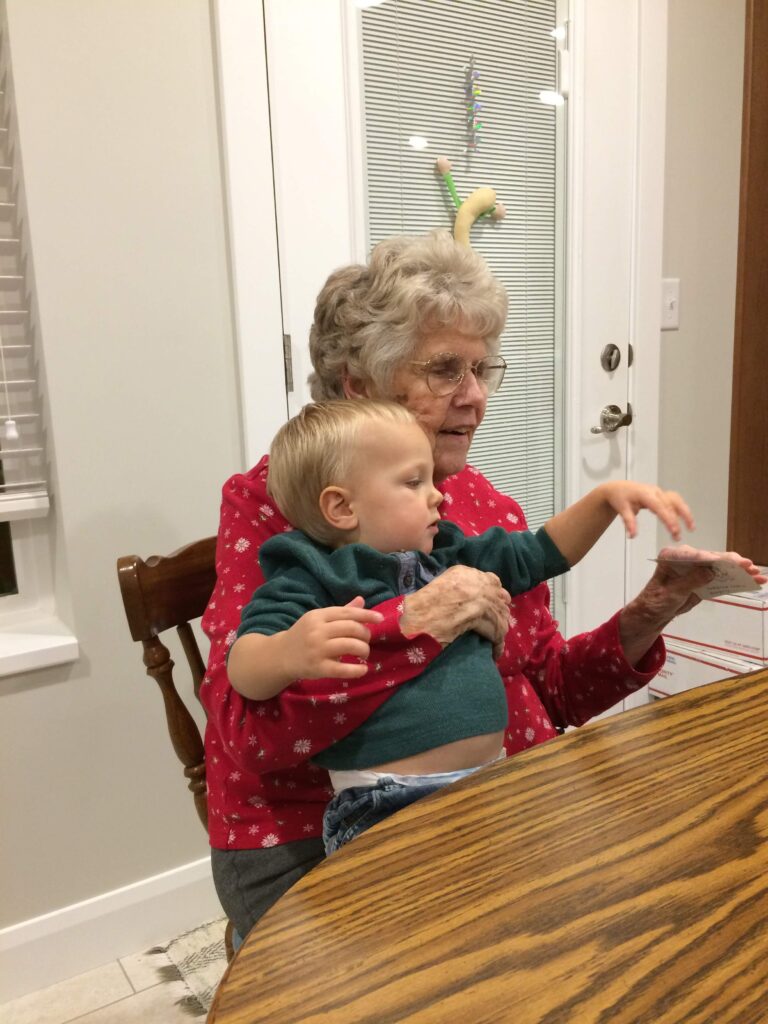
My paternal grandmother died last year. She was at every one of my games. When we played away and my parents couldn’t make it, she and my grandpa were the ones in the stands. She loved a good table game, and we spent hours on Phase 10, Farkle, and dominoes. Pure core activity. Nothing planned, nothing expensive, just presence on repeat until the repetition itself became the relationship.
Before she passed, she gave us her childhood bike. Her father had given it to her when she was about ten, and he died the year after. That bike was her last memory of him, and she carried it for a lifetime. So when it came to me, it came with all of that weight. A man I never met loved his daughter enough to give her a bike, and eighty years later I’m holding the proof. He’s gone. The bike remains. The love rode it all the way down to me.
What Actually Gets Passed Down
Not one of them left me an inheritance in the way we usually mean the word. They left me a song the desert still plays, a love of the land learned from the seat of a truck, and a bike that carries four generations of one family’s affection.
In every case, what they left me was an experience that had become a relationship and then got handed forward. The core activities and the balance activities were never really about skiing or beaches or table games. Those were just the containers. What was being built, every Saturday and every Wednesday and every evening on the ranch, was the only thing any of us gets to keep.
And that reframes the question I have to ask as a father. I have three kids, and I spend real energy worrying about what I’ll be able to provide for them. But my grandparents didn’t provide their way into my memory. They showed up their way into it. Grandma Palmer on her crutches, choosing her grandkids over her own pain. Grandpa in the truck because he couldn’t manage the horse anymore but still wanted me beside him. Grandma in the bleachers at the away game nobody else came to.
The Honest Part
I’m still learning this one. My kids are getting older, the teenage years are loud, and the temptation is to measure my fathering by what I can give them and where I can take them. The balance activities are easy to feel good about. They photograph well. They feel like effort.
But I don’t think my kids will remember the trips the way I want to believe they will. I think they’ll remember the Saturdays. The ordinary, repeated, unremarkable presence that adds up to something they won’t be able to name until I’m the one who’s gone and they’re holding whatever I managed to hand them. I’d like it to be a bike. Or a song. Or just the memory of a dad who kept showing up on the random Wednesdays, when nothing was happening and there was nothing to capture, because that turned out to be the whole thing.
So this Memorial Day, while we remember the people who’ve passed on, maybe the better question is about the people still here. The ones in your bleachers. The ones who’ll someday tell stories about your truck, your kitchen table, your random Wednesdays.
What are you building right now that someone will carry after you’re gone? Are you spending your days on the things that come with you, or the things that don’t? And the person who will one day hold the proof of how you loved them, when did you last give them an ordinary afternoon?
Hi, I’m John!
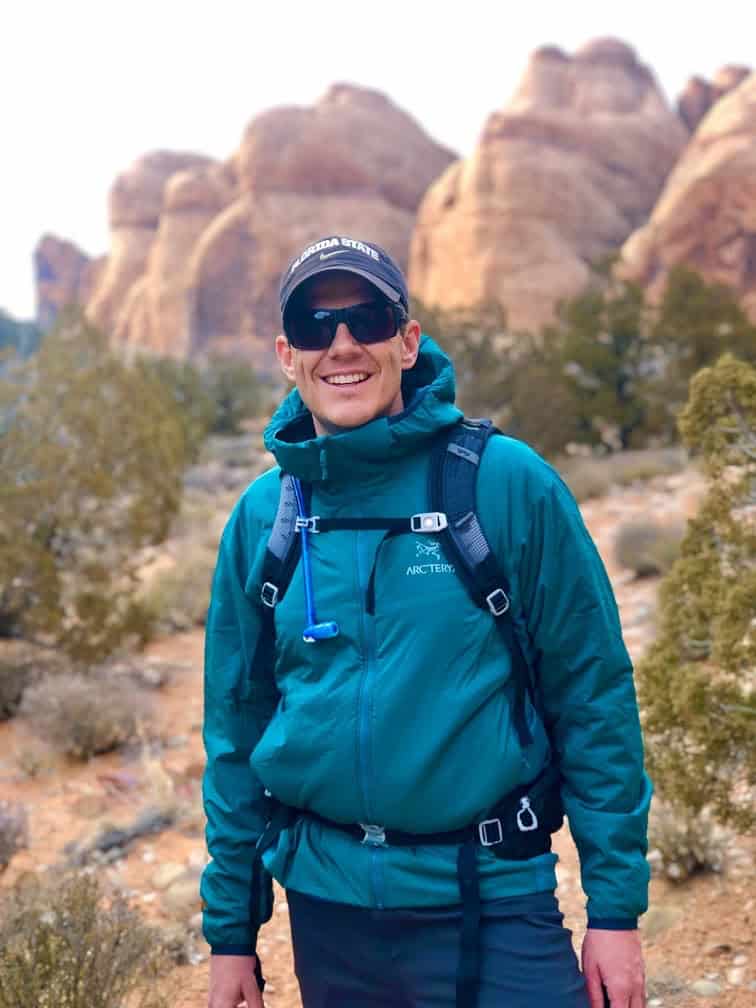
I’m a father, leader, outdoorsman, and the founder of PathForgeXP. I grew up in Moab, Utah, and I spend most of my time helping fathers reconnect with what matters through wilderness retreats and intentional living. I don’t have this figured out. I’m just a man on the trail, writing about what I’m learning along the way.
Leave a Reply